In short, we do not know exactly what causes this disease, but there are certainly risk factors, that is to say, some factors that increase the likelihood of a cat getting hyperthyroidism.
1. Environmental & Lifestyle Factors
Evidence suggests that indoor-only cats are at a significantly higher risk than those with outdoor access. This has led researchers to investigate household chemicals:
- Flame Retardants (PBDEs): Many studies have found a correlation between high levels of polybrominated diphenyl ethers (found in furniture foam and carpet padding) and feline hyperthyroidism. Cats ingest these chemicals through grooming house dust off their fur.
- Endocrine Disruptors: Chemicals like Bisphenol A (BPA), often found in the lining of canned food, are thought to interfere with thyroid hormone receptors.

2. Dietary Influences
The average household cat’s diet has shifted radically over the last 50 years, which aligns with the rising incidence of hyperthyroidism.
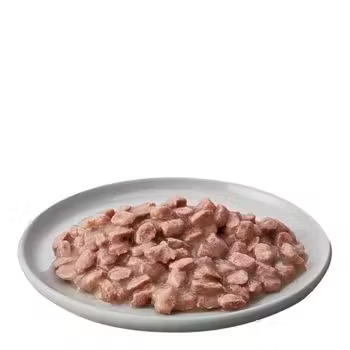
- Canned Food Preference: Cats fed a diet consisting primarily of canned/wet food (specifically flavours like fish, liver, or giblets) show a higher statistical risk.
- Iodine Fluctuations: Large variations in iodine content between different brands (and even batches) of commercial cat food may cause “stunning” or over-activity of the thyroid gland over time.
- Soy Isoflavones: Many commercial diets use soy as a protein source, which contains goitrogens that can affect thyroid function.
3. Genetic & Protective Factors
- Breed Predisposition: Siamese, Burmese, and Himalayan cats actually appear to have a reduced risk compared to mixed-breed cats, suggesting a genetic protective element in certain lineages.
- G-Protein Mutations: Some research points to mutations in the thyroid-stimulating hormone (TSH) receptor, which causes the thyroid cells to “switch on” and stay on, regardless of what the body actually needs.
Risk Factors at a Glance
| Factor Category | Increased risk | Reduced Risk |
| Diet | Canned food (fish or liver flavours) | Dry food / Consistent iodine levels |
| Environment | Indoor-only, heavy dust exposure | Outdoor access |
| Litter | Use of scented/clumping litters | Non-clumping or no litter use |
| Breed | Non-purebred (Mixed/Domestic) | Siamese, Burmese, Himalayan |
Further further reading see Mark Peterson’s 2012 review in the Journal of Feline Medicine and Surgery here https://journals.sagepub.com/doi/10.1177/1098612X12464462
Leave a Reply